Expert Solutions for Wine Cooler Humidity
Maintaining the ideal humidity levels in a Sub-Zero wine cooler is crucial for preserving the quality of your wine collection. This article will explore the importance of humidity control, common issues that arise, and effective solutions to ensure your wine storage environment remains optimal. Newport Beach’s coastal climate can pose unique challenges, making it essential to understand how to manage humidity effectively. We will also discuss when to consider professional repair services and how Sub Zero Repair Newport Beach can assist with these issues. By the end of this guide, you will have a comprehensive understanding of humidity management in wine coolers and the steps to take if problems arise.
What Are the Ideal Humidity Levels for Sub-Zero Wine Coolers?
The ideal humidity level for Sub-Zero wine coolers typically ranges from 50% to 80%. This range is essential for maintaining the integrity of the wine and its packaging. Proper humidity levels prevent corks from drying out, which can lead to oxidation and spoilage. Additionally, maintaining the right humidity helps preserve the labels and overall presentation of the wine bottles.
Why Is Maintaining 50-80% Relative Humidity Crucial for Wine Preservation?
Maintaining a relative humidity of 50-80% is vital for wine preservation because it prevents corks from drying out. When corks dry, they can shrink, allowing air to enter the bottle and oxidize the wine. This oxidation can lead to off-flavors and spoilage. Furthermore, excessively high humidity can cause mold growth on labels, which can damage the wine’s presentation and value. Therefore, achieving the right humidity balance is crucial for both the quality and longevity of your wine.
How Does Humidity Affect Corks, Labels, and Wine Taste?
Humidity plays a significant role in the overall quality of wine. Low humidity can lead to cork damage, while excessive humidity can cause mold on labels. Cork integrity is essential for sealing the bottle and preventing air from spoiling the wine. Additionally, humidity levels can influence the taste of the wine; improper storage conditions can lead to undesirable flavors and aromas, ultimately affecting the wine’s enjoyment.
What Common Causes Lead to Humidity Problems in Sub-Zero Wine Coolers?
Several factors can contribute to humidity issues in Sub-Zero wine coolers. Understanding these causes can help you identify and rectify problems before they affect your wine collection.
How Do Faulty Door Seals and Gaskets Allow Humidity Ingress?
Faulty door seals and gaskets can significantly impact humidity levels within a wine cooler. When these components wear out or become damaged, they can allow outside air to enter the cooler, disrupting the controlled environment. This influx of air can lead to fluctuations in humidity, making it difficult to maintain the ideal levels for wine storage.
What Role Does Improper Ventilation and Airflow Play in Humidity Issues?
Improper ventilation and airflow can exacerbate humidity problems in wine coolers. If the cooler is overpacked or if vents are blocked, air circulation is hindered, leading to stagnant air and uneven humidity distribution. This can create pockets of high humidity, which may promote mold growth, or low humidity that can dry out corks.
How Can Malfunctioning Humidity Sensors or Controls Cause Problems?
Malfunctioning humidity sensors or controls can lead to significant humidity issues in wine coolers. If the sensors fail to accurately measure humidity levels, the cooler may not adjust its settings accordingly. This can result in either excessively high or low humidity, both of which can compromise the quality of the wine.
How Do Refrigeration System Components Affect Humidity Levels?
The components of the refrigeration system, such as evaporator coils and compressors, play a crucial role in regulating humidity levels. If these components are not functioning correctly, they can lead to inadequate humidity control. For instance, a malfunctioning evaporator coil may not remove moisture effectively, resulting in high humidity levels that can damage wine.
How Does Newport Beach’s Coastal Climate Influence Wine Cooler Humidity?
Newport Beach’s coastal climate can significantly influence humidity levels in wine coolers. The area’s natural humidity can lead to fluctuations that may affect the cooler’s internal environment. Homeowners must be vigilant in monitoring humidity levels, especially during periods of high humidity, to ensure their wine remains protected.
What Are the Signs That Your Sub-Zero Wine Cooler Has Humidity Issues?
Identifying the signs of humidity problems early can help prevent damage to your wine collection. Here are some common indicators to watch for.
How to Identify Condensation, Water Pooling, and Mold Inside the Cooler?
Condensation and water pooling inside the cooler are clear signs of humidity issues. If you notice moisture on the interior surfaces or pooling at the bottom, it indicates that humidity levels are too high. Additionally, mold growth can occur in these conditions, which can damage both the wine and the cooler itself.
What Are the Effects of Humidity Problems on Wine Corks and Labels?
Humidity problems can lead to significant effects on wine corks and labels. High humidity can cause mold to develop on labels, while low humidity can dry out corks, leading to oxidation. Both scenarios can compromise the wine’s quality and presentation, making it essential to address humidity issues promptly.
When Should You Choose DIY Troubleshooting Versus Professional Repair?
Deciding whether to troubleshoot humidity issues yourself or call a professional can be challenging. Here are some guidelines to help you make that decision.
What Simple Checks Can Homeowners Perform for Humidity Issues?
Homeowners can perform several simple checks to identify humidity issues. Using a hygrometer can help measure the humidity levels inside the cooler. Additionally, inspecting door seals for wear and ensuring proper ventilation can help maintain ideal conditions. If these checks reveal persistent problems, it may be time to seek professional assistance.
When Is It Necessary to Contact Certified Sub-Zero Repair Technicians?
If simple troubleshooting does not resolve the humidity issues, it is advisable to contact certified Sub-Zero repair technicians. Complex problems, such as malfunctioning sensors or refrigeration components, require expert diagnosis and repair. Professional technicians have the training and tools necessary to address these issues effectively.
How Does Sub Zero Repair Newport Beach Address Wine Cooler Humidity Problems?
Sub Zero Repair Newport Beach specializes in addressing humidity issues in wine coolers. Their expertise ensures that your wine storage environment remains optimal.
What Is the Step-by-Step Process for Diagnosing and Repairing Humidity Issues?
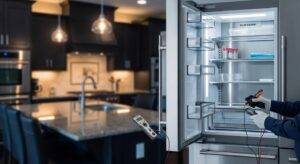
The process for diagnosing and repairing humidity issues typically involves several steps. Technicians will first assess the cooler’s humidity levels using specialized equipment. They will then inspect door seals, ventilation, and refrigeration components to identify any faults. Once the issues are diagnosed, they will implement the necessary repairs to restore proper humidity control.
Why Choose Our Licensed Technicians and Genuine OEM Parts?
Choosing licensed technicians ensures that repairs are performed to the highest standards. Sub Zero Repair Newport Beach uses genuine OEM parts, which are essential for maintaining the integrity and performance of your wine cooler. This commitment to quality guarantees that your appliance will function optimally for years to come.
How Can You Schedule Expert Sub-Zero Wine Cooler Humidity Repair in Newport Beach?
Scheduling a repair service for your Sub-Zero wine cooler is straightforward and can help protect your valuable wine collection.
What Are the Available Service Options and Response Times?
Sub Zero Repair Newport Beach offers various service options, including same-day repairs and scheduled appointments. Their technicians are trained to respond quickly to ensure that your wine cooler is back in optimal condition as soon as possible.
How to Contact Sub Zero Repair Newport Beach for a Consultation or Repair?
To schedule a consultation or repair, you can contact Sub Zero Repair Newport Beach directly. Their team is ready to assist you with any questions or concerns regarding your wine cooler’s humidity issues, ensuring that your wine remains protected and preserved.
| Cause of Humidity Issues | Description | Impact |
|---|---|---|
| Faulty Door Seals | Worn or damaged seals allow outside air to enter | Inconsistent humidity levels |
| Improper Ventilation | Blocked vents hinder airflow | Stagnant air and uneven humidity |
| Malfunctioning Sensors | Inaccurate readings lead to improper humidity control | Excessive or insufficient humidity |
This table summarizes the common causes of humidity issues in Sub-Zero wine coolers and their potential impacts on wine preservation. Understanding these factors can help you take proactive measures to maintain optimal conditions for your wine collection.
Frequently Asked Questions
What are the potential health risks associated with mold growth in wine coolers?
Mold growth in wine coolers can pose health risks, particularly for individuals with allergies or respiratory issues. Mold spores can become airborne and trigger allergic reactions, asthma attacks, or other respiratory problems. Additionally, mold can compromise the quality of the wine, leading to off-flavors and spoilage. It’s essential to address any signs of mold promptly by cleaning the affected areas and ensuring proper humidity levels to prevent recurrence.
How can I improve ventilation in my wine cooler?
Improving ventilation in your wine cooler can be achieved by ensuring that air vents are not blocked and that the cooler is not overcrowded. Avoid placing items too close to the vents, as this can restrict airflow. Additionally, consider using a small fan inside the cooler to promote air circulation. Regularly checking and cleaning the vents can also help maintain optimal airflow, which is crucial for consistent humidity levels.
What should I do if my wine cooler is consistently too humid?
If your wine cooler is consistently too humid, first check the door seals for any damage or wear that may allow outside air to enter. Next, inspect the humidity control settings and ensure they are functioning correctly. If the problem persists, consider using a dehumidifier specifically designed for wine storage. If these measures do not resolve the issue, it may be time to consult a professional technician for a thorough diagnosis and repair.
Can I use a regular hygrometer to measure humidity in my wine cooler?
Yes, you can use a regular hygrometer to measure humidity in your wine cooler. However, it’s advisable to choose a hygrometer that is specifically designed for wine storage, as these models often provide more accurate readings in the cooler’s environment. Place the hygrometer in a central location within the cooler to get a reliable measurement. Regular monitoring will help you maintain the ideal humidity levels for your wine collection.
How often should I check the humidity levels in my wine cooler?
It’s recommended to check the humidity levels in your wine cooler at least once a month. Regular monitoring helps ensure that the humidity remains within the ideal range of 50-80%. If you live in an area with fluctuating humidity levels, such as Newport Beach, you may want to check more frequently, especially during seasonal changes. Keeping a close eye on humidity can prevent potential damage to your wine collection.
What are the benefits of using a wine cooler over a regular refrigerator?
Using a wine cooler offers several benefits over a regular refrigerator. Wine coolers are specifically designed to maintain optimal temperature and humidity levels for wine storage, which is crucial for preserving flavor and quality. They also provide a stable environment free from vibrations, which can disturb sediment in wine bottles. Additionally, wine coolers often have UV-resistant glass doors to protect wine from harmful light exposure, further enhancing preservation.