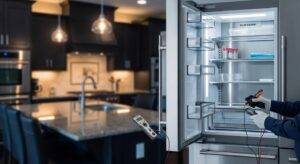
Freshen Your Sub-Zero Refrigerator
Odors in your Sub-Zero refrigerator can be a frustrating issue, impacting not only the freshness of your food but also your overall kitchen experience. This article will provide you with expert solutions and practical DIY tips to effectively eliminate these unpleasant smells. By understanding the common causes of odors and implementing effective cleaning methods, you can maintain a fresh and odor-free refrigerator. We will explore the various factors contributing to odors, effective cleaning techniques, when to seek professional help, and preventative maintenance practices to keep your Sub-Zero refrigerator smelling fresh.
What Are the Common Causes of Odors in Sub-Zero Refrigerators?
Understanding the common causes of odors in your Sub-Zero refrigerator is the first step toward effective odor elimination. Various factors can contribute to unpleasant smells, including spoiled food, mold growth, and mechanical issues. Identifying these sources allows you to take appropriate action to restore freshness.
How Do Spoiled Food and Mold Contribute to Refrigerator Smells?
Spoiled food is one of the primary causes of odors in refrigerators. When food items go bad, they release gases and compounds that create unpleasant smells. Common culprits include dairy products, meats, and fruits that have passed their expiration dates. Additionally, mold can thrive in damp environments, leading to musty odors. Signs of mold growth include visible spots on food or surfaces and a persistent musty smell. Regularly checking expiration dates and cleaning up spills can help prevent these issues.
Further research highlights the complex interplay of factors like temperature control and microbial growth in determining food quality and safety within residential refrigerators.
Food Quality & Microbial Growth in Residential Refrigerators
This article overviews the technological evolution of residential refrigerators, key national and international regulations covering them, and summarizes the information available to estimate the quality and safety deterioration in foods and beverages stored in them. At present, the national and international government standardized performance tests used to assess residential refrigerators focus on energy consumption. Efforts by refrigerator manufacturers to consider the impact of temperature fluctuation, temperature recovery, extreme ambient temperature, door openings, and other factors affecting temperature control and, thus, food safety and quality need to be harmonized, validated, and implemented as official standardized tests. Published predictive models here summarized, and describing microbial growth and other product degradation mechanisms, could be combined with energy efficiency evaluations in future science-based regulations seeking a balance between energy consumption and food preservation.
Estimation of safety and quality losses of foods stored in residential refrigerators, V Rodriguez-Martinez, 2019
Can Mechanical Issues Like Clogged Drain Tubes and Dirty Condensers Cause Odors?
Mechanical issues can also contribute to odors in your Sub-Zero refrigerator. Clogged drain tubes can trap water, creating a breeding ground for bacteria and mold, which emit foul smells. Similarly, dirty condenser coils can lead to overheating and inefficient cooling, causing food to spoil faster. Regular maintenance, including cleaning the condenser coils and ensuring proper drainage, can help mitigate these mechanical issues and their associated odors.
How Can You Remove Odors from Your Sub-Zero Refrigerator Yourself?
Removing odors from your Sub-Zero refrigerator can often be accomplished with simple DIY methods. By utilizing common household items and following effective cleaning techniques, you can restore freshness to your appliance.
What Are Effective Cleaning Methods Using Baking Soda and Activated Charcoal?
Baking soda and activated charcoal are two effective cleaning agents for eliminating odors. Baking soda neutralizes odors by absorbing them, while activated charcoal works similarly by trapping odor-causing particles. To use baking soda, place an open box in the refrigerator or create a paste with water to scrub surfaces. For activated charcoal, place a few pieces in a bowl and leave it in the fridge for several days to absorb odors. Regularly replacing these agents can help maintain a fresh environment.
How Should You Clean Removable Parts and Replace Air Filters Properly?
Cleaning removable parts, such as shelves and drawers, is essential for odor removal. Start by removing these components and washing them with warm, soapy water. Rinse thoroughly and allow them to dry before reinserting them into the refrigerator. Additionally, replacing air filters regularly is crucial for maintaining air quality. Check the manufacturer’s guidelines for the recommended replacement frequency and ensure that filters are clean to prevent odors from circulating.
When Should You Call Professionals for Sub-Zero Refrigerator Odor Repair in Newport Beach?
While many odor issues can be resolved through DIY methods, some situations require professional intervention. Understanding when to call in experts can save you time and ensure that your refrigerator is functioning optimally.
What Complex Odor Issues Require Licensed Technician Diagnosis?
Complex odor issues may stem from underlying mechanical problems that are not easily identifiable. For instance, persistent odors despite thorough cleaning could indicate a malfunctioning compressor or issues with the refrigerant. If you notice unusual noises or a significant drop in cooling efficiency, it’s essential to consult a licensed technician who can diagnose and address these problems effectively.
How Does Sub Zero Repair Newport Beach Ensure Quality with OEM Parts and Warranty?
Sub Zero Repair Newport Beach specializes in high-end appliance repair, ensuring that any necessary repairs are conducted using genuine OEM parts. This commitment to quality not only enhances the longevity of your refrigerator but also comes with a comprehensive 1-year parts and labor warranty. By choosing professional services, you can have peace of mind knowing that your appliance is in expert hands.
What Preventative Maintenance Practices Keep Your Sub-Zero Refrigerator Odor-Free?
Preventative maintenance is key to keeping your Sub-Zero refrigerator odor-free. By implementing regular cleaning and monitoring practices, you can significantly reduce the likelihood of odors developing.
How Does Regular Cleaning and Temperature Monitoring Help Prevent Odors?
Establishing a regular cleaning schedule is vital for maintaining a fresh refrigerator. Aim to clean the interior at least once every 3 months, checking for expired items and spills. Additionally, monitoring the temperature settings ensures that your refrigerator operates efficiently, preventing food spoilage. The ideal temperature for a refrigerator is between 37°F and 40°F, while freezers should be set at 0°F.
What Are Best Practices for Proper Food Storage to Avoid Smells?
Proper food storage techniques can also help prevent odors. Store food in airtight containers to minimize exposure to air and moisture, which can lead to spoilage. Additionally, avoid overcrowding the refrigerator, as this can restrict airflow and lead to uneven cooling. Keeping raw meats separate from other foods can also prevent cross-contamination and associated odors.
How Do Sub-Zero Freezer and Ice Maker Odors Differ and How Can They Be Addressed?
Odors can also originate from your Sub-Zero freezer and ice maker, and understanding the differences in their sources is essential for effective cleaning.
What Causes Odors in Sub-Zero Freezers and How to Clean Them?
Common causes of odors in freezers include spoiled food, ice buildup, and improper sealing. To clean your freezer, start by removing all items and defrosting if necessary. Wipe down surfaces with a mixture of water and vinegar to eliminate odors. Regularly check seals on freezer doors to ensure they are airtight, preventing odors from escaping into the kitchen.
How Can You Troubleshoot and Remove Odors from the Sub-Zero Ice Maker?
Ice makers can develop odors due to stagnant water or mold growth. To troubleshoot, check the water supply line for any blockages and clean the ice bin regularly. Running a cleaning cycle, if available, can also help eliminate odors. If issues persist, consider consulting a professional to ensure that the ice maker is functioning correctly.
Frequently Asked Questions
What are the signs that my Sub-Zero refrigerator needs professional servicing?
Signs that your Sub-Zero refrigerator may require professional servicing include persistent odors that do not improve with cleaning, unusual noises such as grinding or clicking, and a noticeable drop in cooling efficiency. Additionally, if you observe frost buildup or leaks, these could indicate underlying mechanical issues. It’s essential to address these problems promptly to prevent further damage and ensure your refrigerator operates efficiently.
How often should I perform maintenance on my Sub-Zero refrigerator?
Regular maintenance for your Sub-Zero refrigerator should ideally be performed every three months. This includes cleaning the interior, checking for expired food, and inspecting the seals and condenser coils. Additionally, monitoring the temperature settings is crucial to ensure optimal performance. By adhering to this schedule, you can significantly reduce the risk of odors and maintain the longevity of your appliance.
Can I use essential oils to eliminate odors in my refrigerator?
While essential oils can provide pleasant scents, they are not recommended for eliminating odors in your refrigerator. Instead, they may mix with food and create unwanted flavors. For effective odor removal, it’s better to use natural absorbents like baking soda or activated charcoal. These substances neutralize odors without leaving behind any residue or scent that could affect your food.
What should I do if my refrigerator is still smelling after cleaning?
If your refrigerator continues to emit odors after thorough cleaning, it may indicate deeper issues such as mold growth in hidden areas or mechanical problems. Check for any food remnants in hard-to-reach places and inspect the drain pan for standing water. If the smell persists, consider consulting a professional technician to diagnose potential mechanical issues or hidden mold that may require specialized cleaning.
How can I prevent odors from developing in my Sub-Zero refrigerator?
To prevent odors in your Sub-Zero refrigerator, practice proper food storage by using airtight containers and avoiding overcrowding. Regularly clean the interior and check for expired items. Additionally, monitor the temperature settings to ensure they remain within the ideal range of 37°F to 40°F. Implementing these practices will help maintain a fresh environment and reduce the likelihood of unpleasant smells.
Are there specific foods that are more likely to cause odors in my refrigerator?
Yes, certain foods are more prone to causing odors in your refrigerator. Dairy products, meats, and overripe fruits are common culprits. These items can spoil quickly and release gases that create unpleasant smells. To minimize odor risks, store these foods properly and regularly check for expiration dates. Discard any spoiled items immediately to maintain a fresh environment.