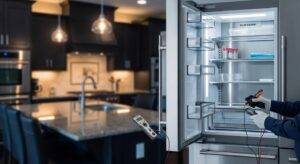
Maximize Kitchen Efficiency Today
The placement of your refrigerator can significantly impact the efficiency and functionality of your kitchen. Understanding optimal refrigerator placement is essential for enhancing kitchen workflow, ensuring easy access, and maintaining energy efficiency. This article will guide you through the best practices for refrigerator placement, the influence of kitchen layout, and how proper positioning can enhance appliance longevity. Many homeowners struggle with inefficient kitchen designs that hinder workflow and accessibility. By following expert tips, you can create a kitchen environment that promotes efficiency and comfort. We will explore how kitchen layout influences refrigerator placement, best practices for space planning, common mistakes to avoid, and the role of appliance repair services in maintaining optimal kitchen efficiency.
How Does Kitchen Layout Influence Refrigerator Placement?
The kitchen layout plays a crucial role in determining the most effective refrigerator placement. A well-thought-out layout can enhance workflow and accessibility, making meal preparation and cooking more efficient. The relationship between kitchen layout and refrigerator placement is vital for creating a functional space that meets the needs of the user.
What Is the Role of Kitchen Workflow in Appliance Placement?
Kitchen workflow refers to the sequence of tasks performed in the kitchen, from food preparation to cooking and cleaning. An efficient workflow minimizes unnecessary movement and maximizes productivity. For instance, placing the refrigerator near the preparation area allows for easy access to ingredients, reducing the time spent moving between appliances. Effective workflows often incorporate the “work triangle” concept, which emphasizes the relationship between the refrigerator, stove, and sink.
How Does the Work Triangle Affect Refrigerator Location?
The work triangle is a design principle that optimizes kitchen efficiency by positioning the refrigerator, stove, and sink in a triangular layout. This arrangement minimizes the distance between these key areas, facilitating smooth movement during cooking. For example, placing the refrigerator within a short distance from the stove and sink allows for quick access to ingredients and utensils, enhancing overall kitchen efficiency. Understanding the work triangle can help homeowners make informed decisions about refrigerator placement.
Research further emphasizes the importance of strategic appliance placement, particularly concerning the work triangle, to optimize kitchen functionality and accessibility.
Optimizing Refrigerator Placement for Kitchen Workflow & Accessibility
Modification of the locations of the refrigerator, sink, and range was mainly required for appropriate clear floor space, work triangle, and countertops. Moreover, alternatives to five unit types were suggested without the need to increase the current kitchen size.
Application of universal design in the design of apartment kitchens, KH Lee, 2016
Top Refrigerator Placement Tips for Efficient Kitchen Layouts
When planning the placement of your refrigerator, several best practices can enhance both functionality and accessibility. These practices ensure that the refrigerator is conveniently located while maintaining a cohesive kitchen design.
How Much Clearance Is Needed for Refrigerator Door Accessibility?
Proper clearance is essential for refrigerator door accessibility. Most refrigerators require at least 1-2 inches of space on the sides and back for ventilation, as well as sufficient room in front for the door to open fully. This clearance allows for easy access to food items and prevents damage to the appliance. Homeowners should measure their refrigerator and the surrounding space to ensure adequate clearance before installation.
Where Is the Best Fridge Location for Ergonomic Kitchen Design?
An ergonomic kitchen design prioritizes user comfort and efficiency. The best location for a refrigerator is one that minimizes bending and reaching. Ideally, the refrigerator should be placed at a height that allows users to easily access shelves without straining. Additionally, positioning the refrigerator near the preparation area can reduce unnecessary movement, making cooking more enjoyable and efficient.
How Does Proper Refrigerator Placement Enhance Energy Efficiency and Appliance Longevity?
Proper refrigerator placement not only improves kitchen workflow but also enhances energy efficiency and extends the lifespan of the appliance. Understanding how placement affects these factors can lead to significant savings and improved performance.
What Are Energy Efficient Placement Tips for Refrigerators?
To maximize energy efficiency, homeowners should consider the following placement tips:
- Avoid Direct Sunlight: Position the refrigerator away from direct sunlight to prevent overheating and excessive energy consumption.
- Maintain Ventilation: Ensure that there is adequate space around the refrigerator for airflow, which helps maintain optimal operating temperatures.
- Keep Away from Heat Sources: Avoid placing the refrigerator near ovens or dishwashers, as heat can cause the appliance to work harder, increasing energy usage.
How Does Placement Affect Refrigerator Performance and Lifespan?
The placement of a refrigerator can significantly impact its performance and lifespan. Proper ventilation and distance from heat sources help maintain optimal operating conditions, reducing wear and tear on the appliance. For instance, a refrigerator placed in a well-ventilated area is less likely to overheat, which can lead to compressor failure and other issues. By following placement guidelines, homeowners can ensure their refrigerator operates efficiently for years to come.
What Common Refrigerator Placement Mistakes Should Be Avoided?
Avoiding common refrigerator placement mistakes is essential for maintaining an efficient kitchen. These errors can hinder workflow and lead to unnecessary frustration.
How Do Poor Placement Choices Impact Kitchen Traffic Flow?
Poor refrigerator placement can disrupt kitchen traffic flow, making it difficult for multiple users to navigate the space. For example, placing the refrigerator in a high-traffic area can create bottlenecks, especially during meal preparation. Homeowners should consider the layout of their kitchen and the movement patterns of users to avoid these issues.
What Are the Ergonomic Risks of Incorrect Refrigerator Location?
Incorrect refrigerator placement can lead to ergonomic risks, such as strain and injury. For instance, a refrigerator positioned too high or too low can cause users to bend or reach excessively, leading to discomfort over time. Ensuring that the refrigerator is at an appropriate height and easily accessible can help mitigate these risks and promote a healthier kitchen environment.
How Can Appliance Repair Services Support Optimal Refrigerator Placement and Kitchen Efficiency?
Professional appliance repair services can play a vital role in supporting optimal refrigerator placement and overall kitchen efficiency. These services ensure that appliances function correctly and efficiently, contributing to a well-designed kitchen.
How Does Professional Repair Improve Refrigerator Functionality?
Regular maintenance and professional repairs can enhance refrigerator functionality by addressing issues such as poor cooling, unusual noises, and energy inefficiency. For example, a technician from Sub Zero Repair Newport Beach can diagnose and fix problems that may arise from improper placement, ensuring that the refrigerator operates at peak performance. This proactive approach not only extends the lifespan of the appliance but also improves energy efficiency.
Why Is Maintenance Important for Sustaining Kitchen Workflow?
Routine maintenance is crucial for sustaining kitchen workflow. A well-functioning refrigerator ensures that food is stored at safe temperatures, reducing the risk of spoilage and foodborne illnesses. Additionally, regular check-ups can identify potential issues before they escalate, allowing homeowners to maintain a smooth and efficient kitchen environment. By investing in professional repair services, homeowners can ensure their kitchen remains a functional and enjoyable space.
| Placement Factor | Impact on Efficiency | Recommended Practices |
|---|---|---|
| Clearance | Affects accessibility | Maintain 1-2 inches on sides and back |
| Ventilation | Influences energy use | Ensure adequate airflow around the appliance |
| Proximity to Heat | Affects performance | Keep away from ovens and dishwashers |
This table summarizes key placement factors that influence refrigerator efficiency and provides recommended practices for optimal placement.
In conclusion, understanding the principles of optimal refrigerator placement is essential for enhancing kitchen efficiency and workflow. By considering kitchen layout, best practices for space planning, and the role of professional repair services, homeowners can create a functional and comfortable kitchen environment. Proper placement not only improves accessibility but also contributes to energy efficiency and appliance longevity, making it a critical aspect of kitchen design.
Frequently Asked Questions
What are the signs that my refrigerator is improperly placed?
Signs of improper refrigerator placement include excessive noise, overheating, and inefficient cooling. If your refrigerator is constantly running or struggling to maintain a consistent temperature, it may be too close to heat sources or lack proper ventilation. Additionally, if you find it difficult to access items or navigate around the kitchen, this could indicate that the refrigerator’s location disrupts the workflow. Regularly monitoring these signs can help you identify if a repositioning is necessary for optimal performance.
Can I place my refrigerator in a corner of the kitchen?
Placing a refrigerator in a corner can be feasible, but it requires careful consideration of clearance and accessibility. Ensure there is enough space for the door to open fully without obstruction. Additionally, check that there is adequate ventilation around the appliance to prevent overheating. While corner placements can save space, they may also hinder workflow if they disrupt the kitchen’s traffic flow. Always prioritize functionality and ease of access when deciding on placement.
How does refrigerator placement affect food safety?
Refrigerator placement significantly impacts food safety by influencing temperature control and airflow. If a refrigerator is placed near heat sources or in direct sunlight, it may struggle to maintain safe temperatures, increasing the risk of food spoilage. Proper ventilation is also crucial; without it, the appliance may not cool effectively, leading to potential foodborne illnesses. Ensuring that your refrigerator is positioned correctly helps maintain safe storage conditions for perishable items.
What should I consider when choosing a refrigerator size for my kitchen?
When selecting a refrigerator size, consider your kitchen layout, available space, and your household’s food storage needs. Measure the designated area to ensure the refrigerator fits comfortably, allowing for proper clearance on all sides. Additionally, think about your cooking habits and how much food you typically store. A larger family may require a bigger unit, while a smaller household might benefit from a compact model. Balancing size with functionality is key to an efficient kitchen.
How can I improve the energy efficiency of my refrigerator?
To enhance the energy efficiency of your refrigerator, ensure it is placed away from heat sources like ovens and direct sunlight. Maintain proper ventilation by allowing space around the appliance for airflow. Regularly clean the coils and check door seals to prevent energy loss. Additionally, setting the temperature to the manufacturer’s recommended levels can help optimize performance. Implementing these practices can lead to significant energy savings and prolong the lifespan of your refrigerator.
What are the benefits of consulting a kitchen designer for refrigerator placement?
Consulting a kitchen designer can provide valuable insights into optimal refrigerator placement tailored to your specific kitchen layout and workflow needs. Designers can assess your space and recommend placements that enhance accessibility, efficiency, and aesthetic appeal. They can also help you avoid common mistakes that disrupt kitchen traffic flow and ergonomics. By leveraging their expertise, you can create a functional kitchen that meets your cooking and storage requirements effectively.