Perfect Humidity for Your Wine Cooler
Maintaining the ideal humidity in your wine cooler is crucial for preserving the quality and flavor of your wine. Proper humidity levels prevent corks from drying out and minimize the risk of oxidation, which can spoil your wine. In this article, you will learn about the ideal humidity levels for wine storage, common humidity problems, troubleshooting tips, and when to seek professional help. We will also explore preventative maintenance practices and how Sub Zero Repair Newport Beach can assist with specialized wine cooler humidity solutions.
Understanding the broader context of wine preservation and oxidation is fundamental to appreciating the role of humidity control.
Wine Preservation & Oxidation: Key to Shelf-Life
This review examines the dynamics of wine preservation, focusing on oxidation and the most employed method as they facilitate proper ageing of the wine.
Enhancing wine shelf-life: Insights into factors influencing oxidation and preservation, 2024
What Is the Ideal Humidity Level for Wine Coolers?
The ideal humidity level for wine coolers typically ranges between 50% and 80% relative humidity. This range is essential for preserving the integrity of the wine and ensuring that it ages gracefully. Maintaining proper humidity levels helps to keep corks moist, preventing them from drying out and allowing air to seep into the bottle, which can lead to oxidation and spoilage.
Research further emphasizes the importance of precise environmental control, often involving sophisticated air conditioning equipment, to manage the aging process effectively.
Controlling Wine Aging with Air Conditioning Equipment
The results should be a valuable tool for the wine sector, in order to control the evolution of aging, set the programming of air conditioning equipment.
Hygrothermal conditions for the aging of red wine from experimental data, 2023
Why 50-80% Relative Humidity Is Critical for Wine Preservation
Maintaining a relative humidity of 50-80% is critical for wine preservation because it directly affects the cork’s integrity. When humidity levels drop below 50%, corks can dry out, leading to air exposure and oxidation. Conversely, humidity levels above 80% can promote mold growth on corks and labels, potentially damaging the wine’s quality. Therefore, keeping humidity within this optimal range is vital for ensuring the longevity and flavor of your wine.
How Humidity Affects Cork Integrity and Wine Oxidation
Humidity plays a significant role in cork integrity and wine oxidation. A dry cork can shrink and allow air to enter the bottle, leading to oxidation, which alters the wine’s flavor and aroma. On the other hand, excessive humidity can cause mold growth rather than cork swelling, which can damage labels and potentially affect the wine’s presentation. Understanding the relationship between humidity and cork integrity is essential for wine enthusiasts who wish to preserve their collections.
What Are Common Wine Cooler Humidity Problems and Their Signs?
Wine cooler humidity problems can manifest in various ways, and recognizing the signs is crucial for maintaining optimal conditions. Common issues include low humidity, high humidity, and the effects these conditions have on wine quality.
How Does Low Humidity Cause Cork Drying and Wine Spoilage?
Low humidity levels can lead to cork drying, which compromises the seal of the bottle. When corks dry out, they shrink, allowing air to enter the bottle and oxidize the wine. This oxidation can result in off-flavors and spoilage, significantly diminishing the wine’s quality. Signs of low humidity include dry corks, wine that tastes flat or stale, and visible air gaps in the bottle.
What Risks Does High Humidity Pose: Mold, Label Damage, and Condensation?
High humidity levels pose several risks to wine storage, including mold growth, label damage, and condensation. Mold can develop on corks and labels, affecting the wine’s presentation and potentially altering its flavor. Additionally, excessive humidity can lead to condensation inside the cooler, which may drip onto the bottles and cause label damage. Recognizing these signs is essential for addressing humidity issues promptly.
Addressing these challenges requires effective humidity control systems that can prevent undesirable conditions like condensation and mold, as highlighted by specialized research.
Wine Cooler Humidity Control Systems: Preventing Condensation
Fogging systems can be used to maintain the high humidity required in wine aging structures at acceptable levels during the day and as long as temperature inside the wine maturation store is rising. However, as soon as the temperature starts falling, fogging systems will fail to bring down the humidity resulting in condensation. Condensation is undesirable because apart from causing the development of mould on the barrels and sections of the structure it might even lead to structural failure. A device that controls the humidity and maintains it at set levels throughout the day was designed and constructed. The devise could control the humidity and maintain it within set levels inside a standard storage container and at no time did condensation occur.
Humidity Control System for Wine Maturation Structures, G Mwithiga, 2013
How Can You Troubleshoot Wine Cooler Humidity Issues Yourself?
Troubleshooting humidity issues in your wine cooler can help you maintain optimal storage conditions. Here are some steps you can take to identify and resolve common problems.
How to Use a Hygrometer for Accurate Humidity Measurement
Using a hygrometer is an effective way to measure humidity levels in your wine cooler. A hygrometer provides accurate readings, allowing you to monitor the environment and make necessary adjustments. To use a hygrometer, place it inside the cooler and check the readings regularly. If the humidity is outside the ideal range, consider adjusting the cooler’s settings or adding a humidifier.
What Basic Adjustments Can Improve Wine Fridge Humidity Control?
Several basic adjustments can improve humidity control in your wine fridge. First, ensure that the door seals are intact and functioning properly to prevent air leaks. Additionally, consider placing a small dish of water inside the cooler to increase humidity levels. Regularly checking and cleaning the cooler can also help maintain optimal conditions.
When to Call Sub Zero Newport Beach for Wine Cooler Humidity Repair
While DIY troubleshooting can be effective, there are times when professional assistance is necessary. Knowing when to seek help can save your wine collection from potential damage.
What Are Common Sub-Zero Humidity Sensor and Seal Problems?
Common issues with Sub-Zero wine coolers include humidity sensor malfunctions and seal problems. A faulty humidity sensor may provide inaccurate readings, leading to improper humidity levels. Additionally, worn or damaged seals can allow air to enter the cooler, compromising the storage environment. If you notice persistent humidity issues despite your efforts, it may be time to consult a professional.
How Does Expert Repair Prevent Wine Damage and Preserve Value?
Expert repair services can prevent wine damage and preserve the value of your collection. Licensed technicians can accurately diagnose and fix humidity-related issues, ensuring that your wine cooler operates efficiently. By addressing problems promptly, you can protect your investment and maintain the quality of your wine.
What Preventative Maintenance Practices Ensure Optimal Wine Cooler Humidity?
Regular maintenance is key to ensuring optimal humidity levels in your wine cooler. Implementing preventative practices can help you avoid common humidity issues.
How Regular Cleaning and Door Seal Checks Maintain Humidity Levels
Regular cleaning of your wine cooler and checking the door seals are essential maintenance tasks. Dust and debris can accumulate inside the cooler, affecting airflow and humidity levels. Additionally, inspecting the door seals for wear and tear can help prevent air leaks, ensuring that the cooler maintains the ideal environment for your wine.
Why Schedule Professional Wine Cooler Humidity Service Annually?
Scheduling professional wine cooler humidity service annually can provide peace of mind and ensure that your cooler operates at peak performance. During a service visit, technicians can perform thorough inspections, clean components, and make necessary adjustments to maintain optimal humidity levels. This proactive approach can save you from costly repairs and protect your wine collection.
How Does Sub Zero Repair Newport Beach Provide Specialized Wine Cooler Humidity Solutions?
Sub Zero Repair Newport Beach specializes in high-end appliance repair, including wine coolers. Their expertise ensures that your wine storage needs are met with precision and care.
What Genuine OEM Parts and Warranty Benefits Are Offered?
Sub Zero Repair Newport Beach uses genuine OEM parts for all repairs, ensuring that your wine cooler functions as intended. Additionally, they offer a 12-month parts and labor warranty, providing you with confidence in the quality of their services. This commitment to excellence helps maintain the integrity of your wine cooler and the wines it stores.
How Does Local Expertise Enhance Same-Day Wine Cooler Humidity Repair?
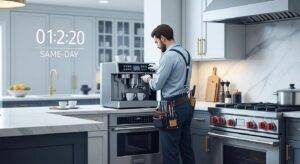
With local expertise, Sub Zero Repair Newport Beach can provide fast, reliable same-day service for your wine cooler humidity issues. Their licensed technicians understand the unique needs of wine storage and can quickly diagnose and resolve problems. This local knowledge ensures that your wine cooler is back in optimal condition as soon as possible, allowing you to enjoy your collection without worry.
Frequently Asked Questions
What are the signs that my wine cooler is experiencing humidity issues?
Signs of humidity issues in your wine cooler can include dry corks, which may indicate low humidity, or visible mold growth on corks and labels, suggesting high humidity. Additionally, if you notice condensation forming inside the cooler or on the bottles, this could signal excessive moisture. Changes in the taste or aroma of your wine, such as flat or stale flavors, can also be a sign of improper humidity levels. Regular monitoring and awareness of these signs can help you maintain optimal conditions.
How can I improve the humidity levels in my wine cooler without professional help?
Improving humidity levels in your wine cooler can be achieved through a few simple methods. First, ensure that the door seals are intact to prevent air leaks. You can also place a small dish of water inside the cooler to increase humidity. Additionally, using a hygrometer to monitor humidity levels will help you make necessary adjustments. Regular cleaning of the cooler and its components can also enhance airflow and humidity control, ensuring a stable environment for your wine.
What should I do if my wine cooler is too humid?
If your wine cooler is too humid, the first step is to check for any signs of mold or condensation. You can reduce humidity by adjusting the cooler’s settings or using a dehumidifier specifically designed for wine storage. Ensure that the cooler is well-ventilated and that the door seals are functioning properly to prevent excess moisture buildup. If humidity levels remain high despite these adjustments, it may be necessary to consult a professional for further assistance.
How often should I check the humidity levels in my wine cooler?
It is advisable to check the humidity levels in your wine cooler at least once a month. Regular monitoring helps you catch any fluctuations early, allowing you to make timely adjustments. If you live in an area with significant seasonal changes in humidity, you may want to check more frequently. Using a reliable hygrometer will provide accurate readings, ensuring that your wine is stored in optimal conditions for preservation and aging.
Can I use a regular humidifier in my wine cooler?
Using a regular humidifier in your wine cooler is generally not recommended, as it may not provide the precise humidity control needed for wine storage. Instead, consider using a small, specialized humidifier designed for wine coolers, which can maintain the ideal humidity range without over-saturating the environment. Regularly monitor humidity levels with a hygrometer to ensure that the humidifier is functioning correctly and that the conditions remain optimal for your wine collection.
What are the benefits of professional wine cooler humidity repair services?
Professional wine cooler humidity repair services offer several benefits, including expert diagnosis of humidity-related issues and the use of genuine OEM parts for repairs. Licensed technicians can ensure that your cooler operates efficiently, preventing potential damage to your wine collection. Additionally, professional services often come with warranties, providing peace of mind regarding the quality of repairs. Regular maintenance from experts can help extend the lifespan of your wine cooler and preserve the value of your wine.