Efficient Luxury Kitchen Design
Designing an efficient kitchen is essential for maximizing productivity and enhancing the culinary experience. This article explores the principles of kitchen workflow design, focusing on how luxury appliances can streamline tasks and improve overall functionality. Readers will learn about effective kitchen layouts, the importance of work zones, and how integrating high-end appliances like Sub-Zero and Wolf can elevate kitchen efficiency. Many homeowners struggle with disorganized spaces that hinder cooking and meal preparation. By implementing strategic design principles and utilizing luxury appliances, you can create a kitchen that not only looks stunning but also operates seamlessly. This guide will cover key principles of efficient kitchen design, the role of luxury appliances, the importance of preventative maintenance, and the latest trends in kitchen design for 2024 and beyond.
Key Principles for Designing an Efficient Luxury Kitchen Workflow
Efficient luxury kitchen workflow design revolves around optimizing space and functionality to enhance cooking experiences. Key principles include thoughtful kitchen layouts, the establishment of work zones, and the application of the kitchen triangle concept. These elements work together to create a harmonious environment that facilitates smooth movement and task execution, ultimately leading to a more enjoyable cooking experience.
How Do Kitchen Layouts Like L-Shaped and U-Shaped Enhance Workflow Efficiency?
L-shaped and U-shaped kitchen layouts are popular for their ability to maximize space and improve workflow efficiency. The L-shaped layout allows for easy movement between work zones, making it ideal for smaller spaces. In contrast, the U-shaped design provides ample counter space and storage, creating a more enclosed and efficient cooking area. Both layouts promote better organization and accessibility, which are crucial for maintaining an efficient kitchen workflow.
What Is the Role of Work Zones and the Kitchen Triangle in High-End Kitchen Design?
Work zones and the kitchen triangle are fundamental concepts in high-end kitchen design. Work zones refer to designated areas for specific tasks, such as cooking, prep, and cleaning. The kitchen triangle, which connects the stove, sink, and refrigerator, is designed to minimize movement and maximize efficiency. By strategically placing appliances and work areas, homeowners can create a functional kitchen that supports seamless task execution and enhances overall productivity.
How Does Integrating Sub-Zero and Wolf Appliances Optimize Luxury Kitchen Efficiency?
Integrating Sub-Zero and Wolf appliances into your kitchen design can significantly enhance efficiency and performance. These luxury appliances are engineered to provide superior functionality, ensuring that your kitchen operates at its best. By understanding the best practices for appliance placement and the benefits of smart features, homeowners can create a kitchen that meets their culinary needs.
What Are Best Practices for Sub-Zero Refrigerator and Wolf Range Placement?
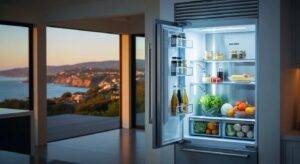
Optimal placement of Sub-Zero refrigerators and Wolf ranges is crucial for maximizing kitchen efficiency. Refrigerators should be positioned near the prep area to facilitate easy access to ingredients, while ranges should be centrally located to allow for smooth transitions between cooking and cleaning. Additionally, ensuring that these appliances are within the kitchen triangle can further enhance workflow and accessibility.
How Do Smart Appliance Features Improve Workflow and Connectivity?
Smart appliance features play a vital role in modern kitchen design by improving workflow and connectivity. These appliances can be controlled remotely, allowing users to monitor cooking progress and adjust settings from their smartphones. Features such as recipe integration and automated cooking functions streamline meal preparation, making it easier for homeowners to manage their time and tasks effectively.
The evolution of home automation, particularly with the advent of smart devices and the Internet of Things, has significantly transformed kitchen efficiency.
Smart Home Appliance Evolution with IoT for Kitchens
Automation in home has been around for many decades with a variety of major appliances introduced to the market. Major household chores have been assisted by labor-saving appliances for refrigeration, cleaning, and cooking. The level of automation in these appliances has been substantially increased since the last century thanks to the advances in microprocessor and sensor technologies; however, we have been looking at the remarkable evolution in home automation in recent years, particularly with the introduction of smart devices and Internet of Things (IoT).
Automation in Home Appliances, HS Ko, 2023
Why Is Preventative Maintenance Essential for Maintaining Luxury Appliance Performance?
Preventative maintenance is crucial for ensuring the longevity and performance of luxury appliances. Regular upkeep not only prevents costly repairs but also enhances the efficiency of appliances like Sub-Zero and Wolf. Understanding common signs of malfunction and the importance of using genuine OEM parts can help homeowners maintain their appliances in optimal condition.
What Are Common Signs Your Sub-Zero or Wolf Appliance Needs Expert Repair?
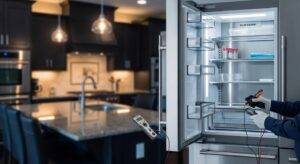
Homeowners should be aware of several signs that indicate their Sub-Zero or Wolf appliances may need expert repair. These signs include unusual noises, inconsistent temperatures, and error messages on digital displays. Addressing these issues promptly can prevent further damage and ensure that appliances continue to operate efficiently.
How Do Genuine OEM Parts and Licensed Technicians Extend Appliance Lifespan?
Using genuine OEM parts and hiring licensed technicians for repairs can significantly extend the lifespan of luxury appliances. OEM parts are designed specifically for each appliance, ensuring compatibility and optimal performance. Licensed technicians possess the expertise to diagnose and repair issues accurately, providing peace of mind for homeowners concerned about their appliance investment.
How Can Optimized Kitchen Workflow Design Increase Home Value and Appliance Longevity?
An optimized kitchen workflow design not only enhances daily cooking experiences but also increases home value. Efficient appliance layouts contribute to better food preservation and cooking productivity, making the kitchen a more attractive feature for potential buyers. Additionally, well-maintained appliances tend to last longer, providing homeowners with a return on their investment.
What Is the Impact of Efficient Appliance Layout on Food Preservation and Cooking Productivity?
The layout of appliances directly impacts food preservation and cooking productivity. A well-organized kitchen allows for easy access to ingredients and tools, reducing preparation time and minimizing food waste. By strategically placing appliances, homeowners can create a workflow that supports efficient cooking and enhances the overall culinary experience.
How Does Expert Repair Service in Newport Beach Support Long-Term Kitchen Efficiency?
Expert repair services, such as those offered by Sub Zero Repair Newport Beach, play a vital role in maintaining long-term kitchen efficiency. These services ensure that luxury appliances are functioning optimally, preventing breakdowns and extending their lifespan. By investing in professional maintenance and repair, homeowners can enjoy a more efficient kitchen for years to come.
What Are the Latest Trends in Luxury Kitchen Design for 2024 and Beyond?
As we look toward 2024 and beyond, several trends are emerging in luxury kitchen design. These trends focus on integrating technology, sustainability, and aesthetics to create functional and beautiful spaces. Homeowners are increasingly seeking smart technologies and built-in appliances that enhance workflow and contribute to a seamless kitchen aesthetic.
How Are Smart Kitchen Technologies Shaping Workflow Automation in High-End Homes?
Smart kitchen technologies are revolutionizing the way homeowners interact with their cooking spaces. Automation features, such as voice-activated controls and app-based monitoring, allow for greater convenience and efficiency. These technologies not only streamline cooking processes but also enhance connectivity within the home, making it easier to manage daily tasks.
Further elaborating on the technological underpinnings, the integration of microprocessor-based controls and advanced sensors has ushered in a new era of sophisticated appliance automation.
Advanced Home Appliance Automation for Kitchen Efficiency
Home appliances exist for the purpose of automating otherwise manual processes in the home. The operation of home appliances has been refined over the years, though the machine function has remained essentially the same. Advancements in the areas of microprocessor-based controls, sensors, displays, and interconnectivity, however, are enabling a new generation of appliances with advanced automation capabilities. Smart refrigerators, smart cooking appliances, and smart cleaning appliances are already appearing on the market. Along with these appliances we observe the viability of advanced applications in home automation. Software-based controls, appliance area networks (AANs), and display devices capable of creating a rich user experience are enabling advances in refrigeration automation, cooking integration automation, automated home utility management, automated fault and performance monitoring, and more. In this chapter we explore the enabling technologies and applications of advanced home appliance automation.
Automation in home appliances, 2009
What Role Do Built-In and Integrated Appliances Play in Seamless Kitchen Aesthetics?
Built-in and integrated appliances are essential for achieving a seamless kitchen aesthetic. These appliances blend into cabinetry, creating a cohesive look that enhances the overall design of the space. By choosing integrated options, homeowners can maintain a clean and uncluttered appearance while enjoying the benefits of high-performance appliances.
Indeed, the essence of modern luxury kitchen design often lies in the harmonious blend of high performance and appealing aesthetics, as exemplified by leading appliance brands.
Modern Luxury Kitchen Design: Performance & Aesthetics
Based on its reputation for innovation and producing high-performing yet aesthetically appealing products, AEG embodies the values reflected in modern luxury kitchen design.
Defining “Luxury” in Modern
Different luxury appliances offer unique features that enhance kitchen efficiency and performance.
| Appliance Type | Key Feature | Benefit |
|---|---|---|
| Sub-Zero Refrigerator | Dual refrigeration | Maintains optimal humidity for food preservation |
| Wolf Range | Precision temperature control | Ensures consistent cooking results |
| Smart Oven | Remote monitoring | Allows for convenient cooking management |
Frequently Asked Questions
What are the benefits of using luxury kitchen appliances beyond aesthetics?
Luxury kitchen appliances offer numerous benefits beyond their visual appeal. They are designed with advanced technology that enhances performance, efficiency, and durability. For instance, high-end appliances often feature superior insulation, energy efficiency, and precise temperature controls, which can lead to better food preservation and cooking results. Additionally, these appliances typically come with warranties and support services that ensure long-term reliability, making them a worthwhile investment for homeowners looking to enhance their culinary experience.
How can I ensure my luxury kitchen appliances remain energy efficient?
To maintain energy efficiency in luxury kitchen appliances, regular maintenance is key. This includes cleaning filters, checking seals, and ensuring proper ventilation around appliances. Additionally, utilizing energy-saving settings and features, such as eco modes or smart technology that optimizes energy use, can significantly reduce consumption. Homeowners should also consider the energy ratings of appliances when purchasing, as higher-rated models are designed to consume less energy while providing optimal performance.
What are some common mistakes to avoid when designing a luxury kitchen?
When designing a luxury kitchen, common mistakes include neglecting the workflow and layout, which can hinder efficiency. Failing to create distinct work zones can lead to clutter and disorganization. Additionally, underestimating the importance of storage solutions can result in a cramped space. It’s also crucial to consider the placement of appliances; improper positioning can disrupt the kitchen triangle and workflow. Lastly, overlooking the integration of technology can limit the kitchen’s functionality and modern appeal.
How can I incorporate sustainability into my luxury kitchen design?
Incorporating sustainability into luxury kitchen design can be achieved through various means. Opt for energy-efficient appliances that have high Energy Star ratings, which consume less energy and water. Use sustainable materials for cabinetry and countertops, such as reclaimed wood or recycled stone. Additionally, consider installing water-saving fixtures and smart technology that monitors energy usage. By prioritizing eco-friendly choices, homeowners can create a luxurious kitchen that is both stylish and environmentally responsible.
What are the advantages of hiring a professional designer for a luxury kitchen?
Hiring a professional designer for a luxury kitchen offers several advantages. Designers bring expertise in space planning, ensuring that the layout maximizes efficiency and functionality. They can also provide insights into the latest trends and technologies, helping homeowners make informed decisions. Additionally, a designer can help coordinate the aesthetic elements, ensuring a cohesive look that aligns with the homeowner’s vision. Ultimately, their experience can save time and prevent costly mistakes during the design and installation process.
How do I choose the right materials for my luxury kitchen?
Choosing the right materials for a luxury kitchen involves considering both aesthetics and functionality. Look for high-quality materials that are durable and easy to maintain, such as granite or quartz for countertops and hardwood or tile for flooring. Additionally, consider the overall design theme; materials should complement each other and create a cohesive look. It’s also important to factor in the kitchen’s usage; for example, if cooking is frequent, opt for materials that can withstand heat and stains.