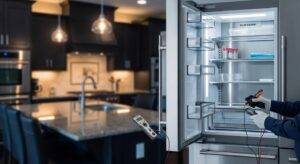
Prevent Freezer Burn: Expert Tips
Freezer burn is a common issue that can significantly affect the quality and taste of your food. It occurs when food is improperly stored in the freezer, leading to dehydration and oxidation. This comprehensive guide will provide you with expert tips on preventing freezer burn specifically in your Sub-Zero freezer, ensuring optimal food preservation. Many homeowners struggle with maintaining the quality of frozen foods, which can lead to waste and dissatisfaction. By following these tips, you can protect your food and enjoy it at its best. We will explore the causes of freezer burn, the best temperature settings for your Sub-Zero freezer, effective food storage methods, essential maintenance tips, and when to call for professional help.
What Causes Freezer Burn in Sub-Zero Freezers?
Freezer burn occurs due to a combination of factors, primarily temperature fluctuations and air exposure. Understanding these causes is crucial for preventing freezer burn and maintaining the quality of your frozen foods.
How Do Temperature Fluctuations Lead to Freezer Burn?
Temperature fluctuations can lead to freezer burn by causing ice crystals to form on the surface of food. Frequent door openings, power outages, and thermostat malfunctions can all contribute to these fluctuations. When the temperature rises, moisture from the food sublimates (turns directly from solid ice to vapor), leading to dehydration and the formation of ice crystals. This process not only affects the texture of the food but can also alter its flavor, making it less enjoyable to eat.
Why Is Air Exposure a Key Factor in Freezer Burn?
Air exposure is another significant factor in freezer burn. When food is not properly sealed, air can come into contact with the surface, leading to moisture loss and the formation of ice crystals. This exposure can cause the food to develop off-flavors and a dry texture. Proper packaging is essential to minimize air exposure and protect your food from freezer burn.
What Are the Best Sub-Zero Freezer Temperature Settings to Prevent Freezer Burn?
Maintaining the correct temperature in your Sub-Zero freezer is vital for preventing freezer burn. The ideal temperature settings can help ensure that your food remains fresh and safe to eat.
What Is the Ideal Temperature for Sub-Zero Freezers?
The ideal temperature for Sub-Zero freezers is 0°F (-18°C). This temperature effectively halts bacterial growth and preserves the quality of your food. Keeping your freezer at this temperature helps slow down freezer burn but does not completely prevent it, as freezer burn is primarily caused by air exposure and moisture loss. Regularly monitoring the temperature can help you maintain optimal conditions for food storage.
How Does Sub-Zero’s Dual Refrigeration Help Maintain Consistent Temperatures?
Sub-Zero’s dual refrigeration system plays a crucial role in maintaining consistent temperatures. This system features separate cooling systems for the refrigerator and freezer compartments, which helps to control humidity levels and prevent temperature fluctuations. By ensuring that the freezer maintains a stable temperature, Sub-Zero appliances help protect your food from freezer burn and preserve its quality over time.
How Should You Store Food in Your Sub-Zero Freezer to Avoid Freezer Burn?
Proper food storage techniques are essential for preventing freezer burn. By following best practices, you can ensure that your food remains fresh and flavorful.
What Packaging Methods Best Prevent Freezer Burn?
Using effective packaging methods is key to preventing freezer burn. Here are some recommended techniques:
- Vacuum Sealing: This method removes air from the packaging, significantly reducing the risk of freezer burn.
- Airtight Containers: Using containers that seal tightly can help keep air out and maintain moisture levels.
- Double Wrapping: Wrapping food in plastic wrap followed by aluminum foil can provide an extra layer of protection against air exposure.
Why Is Proper Food Preparation and Organization Important?
Proper food preparation and organization are also critical in preventing freezer burn. Cooling food completely before freezing helps to minimize moisture loss. Additionally, using the first-in, first-out method ensures that older items are used before newer ones, reducing the likelihood of food being forgotten and suffering from freezer burn. Avoiding overfilling the freezer allows for better air circulation, which helps maintain consistent temperatures.
What Are Essential Sub-Zero Freezer Maintenance Tips to Prevent Freezer Burn?
Regular maintenance of your Sub-Zero freezer is essential for preventing freezer burn and ensuring optimal performance. Here are some key maintenance tips to consider:
- Check Door Seals: Inspect the door seals regularly for any signs of wear or damage. A tight seal is crucial for maintaining temperature and preventing air leaks.
- Monitor Temperature: Regularly check the temperature settings to ensure they remain at the ideal level of 0°F (-18°C).
- Schedule Professional Maintenance: Consider scheduling professional maintenance for your Sub-Zero freezer to address any potential issues before they become significant problems.
How Can You Check and Maintain Door Seals?
To check and maintain door seals, perform a simple visual inspection for any cracks or tears. You can also conduct a dollar bill test: close a bill in the door and try to pull it out. If it comes out easily, the seal may need to be replaced. Keeping the seals clean and free from debris will also help maintain their integrity.
When Should You Schedule Professional Sub-Zero Freezer Repairs?
If you notice persistent temperature issues, excessive frost buildup, or a malfunctioning ice maker, it may be time to schedule professional repairs. Addressing these issues promptly can prevent further damage and ensure your freezer operates efficiently.
When Is It Necessary to Call Sub Zero Repair Newport Beach for Freezer Burn Issues?
If you experience significant freezer burn issues despite following best practices, it may be time to seek professional help.
What Are Common Freezer Burn-Related Appliance Problems?
Common problems related to freezer burn include ice buildup, temperature inconsistencies, and food spoilage. These issues can arise from faulty seals, malfunctioning thermostats, or inadequate airflow within the freezer.
How Does Professional Repair Using OEM Parts Protect Your Sub-Zero Freezer?
Using OEM parts during repairs ensures that your Sub-Zero freezer maintains its high-quality performance. OEM parts are designed specifically for your appliance, providing a perfect fit and optimal functionality. This approach not only extends the life of your freezer but also helps prevent future issues related to freezer burn.
| Maintenance Task | Frequency | Importance |
|---|---|---|
| Check door seals | Monthly | Prevents air leaks |
| Monitor temperature | Weekly | Ensures optimal conditions |
| Schedule professional maintenance | Annually | Addresses potential issues |
Regular maintenance and prompt repairs are essential for keeping your Sub-Zero freezer in top condition and preventing freezer burn. By following these tips and knowing when to call for professional help, you can enjoy high-quality frozen foods for longer periods.
Frequently Asked Questions
What are the signs of freezer burn in food?
Signs of freezer burn include discolored patches on the surface of the food, often appearing gray or brown. The texture may also change, becoming dry or tough, and the food may develop off-flavors. If you notice these signs, it’s an indication that the food has been exposed to air and moisture loss, which can affect its quality. While freezer-burned food is safe to eat, it may not be as enjoyable, so it’s best to consume it sooner rather than later.
Can I refreeze food that has been freezer burned?
Yes, you can refreeze food that has been freezer burned, but it’s important to assess its quality first. If the food is still safe to eat and the freezer burn is minimal, refreezing is acceptable. However, keep in mind that the texture and flavor may be compromised. To maintain the best quality, it’s advisable to consume freezer-burned items sooner rather than later, and to ensure proper packaging to prevent further exposure to air.
How often should I clean my Sub-Zero freezer to prevent freezer burn?
Cleaning your Sub-Zero freezer should be done at least once every three to six months. Regular cleaning helps remove any ice buildup and debris that can affect air circulation and temperature consistency. Additionally, it’s a good opportunity to check the door seals and ensure they are functioning properly. Keeping the freezer clean not only helps prevent freezer burn but also promotes overall efficiency and longevity of the appliance.
What types of food are most susceptible to freezer burn?
Foods that are most susceptible to freezer burn include those with high moisture content, such as fruits and vegetables, as well as meats and fish. These items can lose moisture quickly if not properly sealed. Additionally, foods that are stored for extended periods are more likely to experience freezer burn. To minimize this risk, ensure that all items are packaged correctly and used within a reasonable timeframe to maintain their quality.
Is it safe to eat food that has been affected by freezer burn?
Yes, it is safe to eat food that has been affected by freezer burn. Freezer burn does not make food unsafe; it primarily affects the quality, texture, and flavor. While the food may not taste as good, it is still safe for consumption. If the appearance or taste is unappealing, you can trim away the affected areas before cooking or consuming the food to improve the overall experience.
How can I improve the efficiency of my Sub-Zero freezer?
To improve the efficiency of your Sub-Zero freezer, ensure that it is not overfilled, as this can restrict airflow and lead to temperature inconsistencies. Regularly check and clean the condenser coils, and maintain the door seals to prevent air leaks. Additionally, keep the freezer at the recommended temperature of 0°F (-18°C) and schedule annual professional maintenance to address any potential issues that could affect performance.