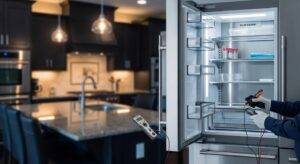
Streak-Free Shine: Expert Cleaning Tips
Cleaning stainless steel appliances can be a daunting task, especially when it comes to achieving that perfect streak-free shine. This article will provide you with expert tips and best practices for maintaining your stainless steel appliances, ensuring they look their best while extending their lifespan. By following these guidelines, you will learn effective cleaning methods, the best tools and agents to use, and how to avoid common mistakes that can lead to damage. We will also explore the importance of regular maintenance and when it might be necessary to call in a professional for repairs.
How Do You Achieve a Streak-Free Clean on Stainless Steel Appliances?
Achieving a streak-free clean on stainless steel appliances requires the right techniques and tools. The key to a successful clean lies in using appropriate cleaning agents and employing proper wiping methods. This ensures that your appliances not only look great but also maintain their finish over time.
Further emphasizing the importance of specialized products, some cleaning solutions are designed to ensure a flawless, streak-free outcome.
Achieving Streak-Free Shine on Stainless Steel Appliances
Level of foam and cleaning power can be set, resulting in a ‘streak-free’ finish. Brushwash is use on stainless steel, Sentry effectively removes limescale, leaving fittings sparkling clean.
Cleaning products
What Are the Step-by-Step Methods for Cleaning Stainless Steel?
To clean stainless steel appliances effectively, follow these steps:
- Gather Your Supplies: You will need a microfiber cloth, a gentle dish soap, and warm water. Avoid abrasive materials that can scratch the surface.
- Prepare the Cleaning Solution: Mix a few drops of dish soap in warm water to create a gentle cleaning solution.
- Wipe Down the Surface: Dampen the microfiber cloth with the solution and wipe the stainless steel surface in the direction of the grain. This helps prevent streaks and scratches.
- Rinse and Dry: After cleaning, rinse the cloth with clean water and wipe the surface again to remove any soap residue. Finally, dry the surface with a clean, dry microfiber cloth to achieve a streak-free finish.
By following these steps, you can ensure that your stainless steel appliances remain clean and shiny.
Which Cleaning Agents and Tools Are Best for Stainless Steel?
When it comes to cleaning stainless steel, the right agents and tools can make all the difference. Here are some of the best options:
- Microfiber Cloths: These are ideal for cleaning as they are soft and non-abrasive, preventing scratches.
- Gentle Dish Soap: A mild dish soap mixed with water is effective for regular cleaning without damaging the finish.
- Vinegar: This natural cleaner can help remove fingerprints and smudges. Spray it on the surface and wipe with a microfiber cloth.
- Commercial Stainless Steel Cleaners: These products are specifically formulated to clean and polish stainless steel, providing a protective layer against fingerprints and smudges.
Using the right tools and agents will help maintain the appearance of your appliances while ensuring they are cleaned effectively.
How Can You Remove Fingerprints, Smudges, and Stubborn Marks Effectively?
Fingerprints and smudges are common issues with stainless steel appliances, but they can be removed effectively with the right techniques. Understanding the causes of these marks and how to tackle them is essential for maintaining a pristine appearance.
What Are the Best Homemade and Commercial Cleaners for Stainless Steel?
There are several effective homemade and commercial cleaners for stainless steel:
- Homemade Cleaners: A mixture of equal parts vinegar and water can effectively cut through grease and remove fingerprints. Another option is a paste made from baking soda and water, which can be applied to stubborn marks.
- Commercial Cleaners: Products specifically designed for stainless steel, such as sprays or wipes, can provide a quick and effective solution. Look for cleaners that are non-abrasive and safe for food contact surfaces.
Using these cleaners can help you maintain the shine and cleanliness of your stainless steel appliances.
How to Buff and Polish Stainless Steel for a Lasting Shine?
Buffing and polishing stainless steel is crucial for maintaining its luster. Here’s how to do it:
- Choose the Right Product: Use a stainless steel polish or a small amount of mineral oil or olive oil.
- Apply the Polish: Dampen a microfiber cloth with the polish and apply it to the surface in the direction of the grain.
- Buff the Surface: Use a clean, dry microfiber cloth to buff the surface, enhancing the shine and removing any excess product.
Regular buffing can help prevent scratches and maintain the appliance’s appearance over time.
What Should You Avoid When Cleaning Stainless Steel Appliances?
While cleaning stainless steel appliances, certain practices can lead to damage. Being aware of what to avoid is just as important as knowing what to do.
Which Cleaning Products and Methods Can Damage Stainless Steel?
Avoid using the following products and methods:
- Abrasive Cleaners: Products containing bleach, ammonia, or harsh chemicals can damage the surface and remove protective coatings.
- Steel Wool or Scrubbing Pads: These can leave scratches and dull the finish of stainless steel.
- Wiping Against the Grain: Always wipe in the direction of the grain to prevent streaks and scratches.
By steering clear of these damaging practices, you can keep your stainless steel appliances looking new.
How Does Wiping With the Grain Prevent Scratches and Streaks?
Wiping with the grain of the stainless steel is essential for maintaining its finish. The grain refers to the direction of the brushed texture on the surface. When you wipe against the grain, you risk creating visible scratches and streaks.
By consistently wiping in the direction of the grain, you can ensure a smoother finish and a more polished appearance.
How to Remove Fingerprints & Smudges from Stainless Steel Appliances
Regular cleaning is vital for the maintenance of stainless steel appliances. It not only keeps them looking good but also helps prevent long-term damage.
Indeed, the concept of preventive maintenance is crucial for the longevity and optimal performance of stainless steel appliances.
Stainless Steel Equipment Preventive Maintenance
Unlike preventive maintenance, which is done to mitigate the maintenance is done to correct a problem or fault once it has been detected. With a stainless-steel preventive maintenance
A Risk-Based Approach to Stainless Steel Equipment Maintenance, 2017
What Are Common Stainless Steel Problems Prevented by Regular Cleaning?
Regular cleaning can help prevent several common issues, including:
- Rust: Dirt and grime can trap moisture, leading to rust formation, especially if the stainless steel is of lower grade or damaged.
- Stains: Food particles and spills can cause staining if not cleaned promptly.
- Dullness: Accumulated grease and fingerprints can dull the finish over time.
By maintaining a regular cleaning schedule, you can avoid these problems and extend the life of your appliances.
How Does Coastal Environment Affect Stainless Steel Care in Newport Beach?
Living in a coastal environment like Newport Beach presents unique challenges for stainless steel care. The salty air can accelerate corrosion and rusting, particularly on lower-grade stainless steel or if protective coatings are compromised. To combat this, it’s essential to:
- Clean Regularly: Frequent cleaning helps remove salt deposits that can cause damage.
- Use Protective Coatings: Applying a stainless steel protectant or polish can create a barrier against the elements.
By taking these steps, you can ensure your stainless steel appliances withstand the coastal environment.
When Is It Time to Call a Professional for Stainless Steel Appliance Repair?
Despite your best cleaning efforts, there may come a time when professional help is necessary. Recognizing the signs can save you time and money.
What Are the Signs That Cleaning Isn’t Enough?
If you notice persistent issues such as:
- Unusual Noises: Grinding or rattling sounds may indicate mechanical problems.
- Inconsistent Performance: If your appliance isn’t cooling or heating properly, it may need professional attention.
- Visible Damage: Scratches, dents, or rust spots that don’t respond to cleaning may require repair.
These signs indicate that cleaning alone won’t resolve the issue, and it’s time to seek professional help.
How Does Professional Repair Extend Appliance Lifespan?
Professional repairs can significantly extend the lifespan of your stainless steel appliances. Trained technicians can identify underlying issues that may not be apparent to the average homeowner. By addressing these problems early, you can prevent more extensive damage and costly replacements down the line.
Why Choose Sub Zero Repair Newport Beach for Your Stainless Steel Appliance Care?
When it comes to maintaining high-end stainless steel appliances, choosing the right service provider is crucial.
What Specialized Expertise Does Sub Zero Repair Offer for Sub-Zero and Wolf Appliances?
Sub Zero Repair Newport Beach specializes in high-end appliances, particularly Sub-Zero and Wolf brands. Their technicians are licensed and insured, ensuring that your appliances are in capable hands. With extensive training and experience, they understand the intricacies of luxury appliances, providing tailored care that standard repair services may not offer.
How Do Genuine OEM Parts and Warranty Protect Your Investment?
Using genuine OEM parts is essential for maintaining the integrity of your appliances. Sub Zero Repair Newport Beach exclusively uses OEM parts, ensuring compatibility and reliability. Additionally, their 12-month parts and labor warranty provides peace of mind, protecting your investment and ensuring that repairs are done right the first time.
| Cleaning Method | Effectiveness | Recommended Frequency |
|---|---|---|
| Microfiber Cloth | High | Weekly |
| Vinegar Solution | Medium | Bi-weekly |
| Commercial Cleaner | High | Monthly |
| Common Problem | Prevention Method | Importance |
|---|---|---|
| Rust | Regular cleaning | High |
| Stains | Prompt cleaning | Medium |
| Dullness | Buffing | High |
By following these best practices for cleaning and maintaining your stainless steel appliances, you can ensure they remain in excellent condition for years to come. Regular cleaning, proper techniques, and knowing when to seek professional help are all essential components of effective appliance care.
Frequently Asked Questions
What are the best practices for maintaining stainless steel appliances?
To maintain stainless steel appliances, regular cleaning is crucial. Use a gentle dish soap mixed with warm water and a microfiber cloth to avoid scratches. Always wipe in the direction of the grain to prevent streaks. Additionally, consider applying a stainless steel polish periodically to protect the surface and enhance its shine. Avoid abrasive cleaners and tools, as they can damage the finish. Regular maintenance not only keeps appliances looking new but also extends their lifespan by preventing rust and dullness.
How can I effectively remove stubborn stains from stainless steel?
For stubborn stains on stainless steel, a paste made from baking soda and water can be effective. Apply the paste to the stained area and gently scrub with a microfiber cloth, always following the grain of the steel. For tougher stains, consider using a commercial stainless steel cleaner designed for heavy-duty cleaning. After treatment, rinse the area with clean water and dry it thoroughly to prevent water spots. Regular cleaning can help prevent stains from becoming stubborn in the first place.
Is it safe to use bleach on stainless steel appliances?
No, it is not safe to use bleach on stainless steel appliances. Bleach is a harsh chemical that can damage the surface and remove protective coatings, leading to discoloration and corrosion. Instead, opt for gentle cleaning solutions like mild dish soap or vinegar mixed with water. These alternatives are effective for cleaning without risking damage to the stainless steel finish. Always ensure to rinse and dry the surface after cleaning to maintain its appearance and prevent any residue buildup.
What should I do if my stainless steel appliances start to rust?
If you notice rust on your stainless steel appliances, it’s important to act quickly. Start by cleaning the affected area with a mixture of baking soda and water to gently scrub away the rust. After cleaning, dry the area thoroughly to prevent further moisture exposure. If the rust persists, consider using a commercial rust remover specifically designed for stainless steel. For long-term prevention, ensure regular cleaning and apply a protective stainless steel polish to create a barrier against moisture.
Can I use a magic eraser on stainless steel appliances?
While magic erasers can be effective for cleaning various surfaces, they are not recommended for stainless steel appliances. The abrasive texture of magic erasers can scratch the surface, leading to dullness and visible marks. Instead, use a soft microfiber cloth with a gentle cleaning solution to maintain the finish. If you need to tackle tough stains, consider using a specialized stainless steel cleaner that is safe and effective without risking damage to the appliance’s surface.
How can I prevent fingerprints on my stainless steel appliances?
To prevent fingerprints on stainless steel appliances, consider applying a stainless steel protectant or polish that creates a barrier against smudges. Regular cleaning with a microfiber cloth can also help minimize the appearance of fingerprints. Additionally, try to handle appliances with clean hands and avoid touching the surfaces unnecessarily. Some manufacturers offer fingerprint-resistant finishes, which can be a worthwhile investment if fingerprints are a persistent issue in your household.
What is the best way to prevent rust on stainless steel appliances?
To prevent rust on stainless steel appliances, regular cleaning is essential. Dirt and moisture can lead to rust formation, especially on lower-grade stainless steel. Use a gentle cleaning solution and a microfiber cloth to wipe down surfaces frequently. Additionally, applying a protective coating or stainless steel polish can create a barrier against moisture and corrosive elements. If you live in a coastal area, increase the frequency of cleaning to remove salt deposits that can accelerate rusting.
Can I use vinegar on all types of stainless steel appliances?
While vinegar is an effective natural cleaner for many stainless steel surfaces, it’s important to check the manufacturer’s guidelines for your specific appliance. Some finishes may be sensitive to acidic cleaners like vinegar. If unsure, test a small, inconspicuous area first. For most standard stainless steel appliances, a diluted vinegar solution can help remove fingerprints and smudges without causing damage. Always follow up with a rinse and dry to prevent any residue.
How often should I clean my stainless steel appliances?
The frequency of cleaning stainless steel appliances depends on usage and exposure to dirt and grease. For high-traffic areas like kitchens, a weekly cleaning is recommended to maintain their appearance. For less frequently used appliances, a bi-weekly or monthly cleaning may suffice. Regular maintenance not only keeps appliances looking good but also helps prevent issues like rust and dullness. Always adjust your cleaning schedule based on how quickly your appliances accumulate dirt and fingerprints.
What should I do if my stainless steel appliances have scratches?
If your stainless steel appliances have scratches, there are a few methods to minimize their appearance. For light scratches, you can use a stainless steel polish or a mixture of baking soda and water to buff the area gently. Always follow the grain of the stainless steel when buffing. For deeper scratches, you may need to consult a professional for repair or consider using a stainless steel scratch repair kit, which can help restore the surface finish.
Are there any specific cleaning tips for stainless steel in coastal areas?
Yes, living in a coastal area requires special care for stainless steel appliances due to the salty air, which can accelerate corrosion. To protect your appliances, clean them more frequently to remove salt deposits. Additionally, consider applying a protective stainless steel polish that can create a barrier against moisture and salt. Regular inspections for signs of rust or corrosion are also advisable, allowing for prompt action to prevent further damage.
How can I maintain the shine of my stainless steel appliances?
To maintain the shine of your stainless steel appliances, regular cleaning and buffing are key. Use a microfiber cloth with a suitable stainless steel cleaner or a mixture of vinegar and water to wipe down surfaces. After cleaning, buff the surface with a dry microfiber cloth in the direction of the grain to enhance the shine. Additionally, applying a stainless steel polish periodically can help protect the surface and keep it looking new.