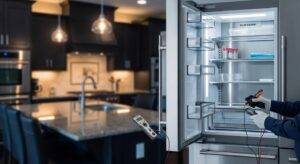
Maximize Freshness with Vacuum Sealing
Vacuum sealing is a powerful method for preserving food, extending its freshness, and preventing spoilage. This technique involves removing air from packaging, which significantly slows down the degradation process caused by oxygen, moisture, and bacteria. In this article, you will learn about the various benefits of vacuum sealing, including how it enhances food quality, prevents freezer burn, preserves nutrients, and improves food safety. Many people struggle with food waste and the loss of flavor and nutrients over time. Vacuum sealing offers a practical solution to these common issues, ensuring that your food remains fresh and safe for consumption. We will explore the mechanisms behind vacuum sealing, its advantages, and how it can be effectively integrated into your food storage practices.
How Does Vacuum Sealing Extend Food Freshness and Shelf Life?
Vacuum sealing extends food freshness and shelf life by removing air from the packaging, which is a key factor in food spoilage. When air is eliminated, the growth of aerobic bacteria and mold is significantly reduced, allowing food to stay fresh for a longer period. This method is particularly effective for various types of food, including meats, vegetables, and dry goods, which can all benefit from extended shelf life through vacuum sealing.
What Role Does Oxygen Removal Play in Preserving Food Quality?
Oxygen removal is crucial in preserving food quality because it directly impacts the rate of oxidation, which leads to spoilage. When food is exposed to oxygen, it can undergo chemical reactions that degrade its flavor, color, and nutritional value. Vacuum sealing effectively removes oxygen, thereby slowing down these processes. For instance, fruits and vegetables retain their crispness and vibrant colors longer when vacuum sealed, making them more appealing and nutritious.
How Do Sub-Zero Freezers Complement Vacuum Sealing for Longer Storage?
Sub-Zero freezers enhance the benefits of vacuum sealing by providing optimal storage conditions. These high-end appliances maintain precise temperature control and humidity management, which are essential for preserving vacuum-sealed foods. The combination of vacuum sealing and Sub-Zero technology helps reduce the risk of freezer burn, allowing for longer storage periods without significantly compromising quality.
How Does Vacuum Sealing Prevent Freezer Burn and Food Spoilage?
Vacuum sealing is an effective method for preventing freezer burn, a common issue that occurs when food is exposed to air in the freezer. Freezer burn results in dry spots and off-flavors, making food unappetizing. By sealing food in an airtight package, vacuum sealing eliminates air exposure, thus reducing moisture loss and the formation of ice crystals.
What Causes Freezer Burn and How Does Vacuum Sealing Stop It?
Freezer burn is caused by the sublimation of ice crystals on the surface of food, which occurs when air comes into contact with the food. This process leads to moisture loss and the development of dry patches. Vacuum sealing stops freezer burn by creating a barrier that prevents air from reaching the food, thereby maintaining its moisture content and overall quality.
Why Is Appliance Health Critical to Preventing Freezer Burn?
Maintaining the health of your appliances is critical to preventing freezer burn. A malfunctioning freezer may not maintain the correct temperature, leading to fluctuations that can compromise the integrity of vacuum-sealed food. Regular maintenance and timely repairs are essential to ensure that your Sub-Zero appliance operates efficiently, providing the ideal environment for food preservation.
How Does Vacuum Sealing Preserve Nutrients and Flavor in Food?
Vacuum sealing not only extends the shelf life of food but also helps preserve its nutrients and flavor. By minimizing exposure to air and light, vacuum sealing protects sensitive vitamins and minerals from degradation. This method is particularly beneficial for fruits, vegetables, and meats, which can lose their nutritional value over time.
Which Vitamins and Minerals Are Retained Through Vacuum Sealing?
Vacuum sealing helps retain essential vitamins and minerals, such as vitamin C, vitamin A, and various B vitamins, which are often lost during traditional storage methods. For example, leafy greens and berries maintain their nutritional content longer when vacuum sealed, making them a healthier option for consumers.
How Does Vacuum Sealing Maintain Food’s Natural Flavor Compounds?
The preservation of flavor compounds is another significant advantage of vacuum sealing. By preventing oxidation, vacuum sealing helps maintain the natural taste and aroma of food. For instance, herbs and spices retain their potency and flavor when vacuum sealed, enhancing the overall culinary experience.
What Are the Food Safety Benefits of Vacuum Sealing?
Vacuum sealing offers several food safety benefits by inhibiting the growth of aerobic bacteria and mold. This method creates an environment with reduced oxygen, which slows the proliferation of many spoilage organisms, making it a safer option for food storage.
How Does Vacuum Sealing Inhibit Bacterial and Mold Growth?
By removing oxygen, vacuum sealing inhibits the growth of aerobic bacteria and mold, which require oxygen to thrive. This is particularly important for perishable items such as meats and dairy products, which are prone to spoilage. Vacuum-sealed foods can remain safe for consumption for extended periods when stored properly, reducing the risk of foodborne illnesses. However, vacuum sealing does not inhibit the growth of anaerobic bacteria such as Clostridium botulinum, so proper refrigeration or freezing is essential.
Which Foods Are Best Suited for Vacuum Sealing to Ensure Safety?
Certain foods are particularly well-suited for vacuum sealing to ensure safety. These include raw meats, fish, and poultry, which can harbor harmful bacteria if not stored properly. Additionally, vacuum sealing is effective for cooked meals, fruits, and vegetables, allowing for safe long-term storage without compromising quality. It is important to store vacuum-sealed perishable foods at appropriate temperatures to prevent bacterial growth.
How Does Vacuum Sealing Improve Space Efficiency and Meal Preparation?
Vacuum sealing not only preserves food but also improves space efficiency in your kitchen and freezer. By reducing the volume of food packaging, vacuum-sealed items take up less space, allowing for better organization and storage.
What Are the Cost Savings and Food Waste Reduction Benefits?
One of the significant advantages of vacuum sealing is the potential for cost savings and food waste reduction. By extending the shelf life of food, vacuum sealing helps consumers save money by reducing the frequency of grocery shopping and minimizing spoilage. This method allows for bulk purchasing and meal prepping, leading to more efficient use of resources.
How Can Vacuum Sealing Streamline Meal Prep and Storage?
Vacuum sealing can streamline meal preparation by allowing for pre-portioned meals to be prepared in advance. This not only saves time during busy weekdays but also ensures that meals remain fresh and flavorful. By vacuum sealing individual portions, you can easily grab a meal when needed, reducing the temptation to order takeout.
Protect Vacuum-Sealed Food When Sub-Zero Appliances Fail
When a Sub-Zero appliance malfunctions, it can threaten the integrity of vacuum-sealed food. Understanding the steps to take in such situations is crucial for maintaining food safety and quality.
How Does Appliance Malfunction Threaten Food Preservation Efforts?
A malfunctioning appliance can lead to temperature fluctuations that compromise the effectiveness of vacuum sealing. If the temperature rises above safe refrigeration or freezing levels, vacuum-sealed foods may spoil, leading to waste and potential health risks. It is essential to monitor appliance performance regularly to prevent such issues.
Why Choose Sub Zero Repair Newport Beach for Expert Appliance Repair?
For residents in Newport Beach, Sub Zero Repair Newport Beach offers expert appliance repair services specifically for Sub-Zero and Wolf appliances. With licensed and insured technicians, genuine OEM parts, and a 12-month parts and labor warranty, you can trust that your appliance will be restored to optimal performance. Their same-day service ensures that your food preservation efforts remain uninterrupted, allowing you to continue enjoying the benefits of vacuum sealing.
| Benefit | Description | Impact Level |
|---|---|---|
| Extended Shelf Life | Vacuum sealing significantly prolongs the freshness of food. | High |
| Nutrient Preservation | Retains essential vitamins and minerals in food. | High |
| Flavor Retention | Maintains the natural taste and aroma of food. | High |
| Food Safety | Inhibits aerobic bacterial and mold growth, reducing foodborne illness risk when combined with proper storage. | High |
Vacuum sealing is a valuable technique for anyone looking to enhance their food storage practices. By understanding its benefits and integrating it into your kitchen routine, you can enjoy fresher, safer, and more flavorful meals while reducing waste and saving money.
Frequently Asked Questions
What types of food are not suitable for vacuum sealing?
While vacuum sealing is effective for many foods, certain items are not suitable for this method. Foods with high moisture content, such as fresh mushrooms or soft cheeses, can be problematic as they may spoil quickly or create excess moisture in the packaging. Additionally, foods that are prone to crushing, like delicate berries, may not hold up well under vacuum pressure. It’s essential to consider the texture and moisture levels of food before vacuum sealing to ensure optimal preservation.
Can vacuum sealing be used for non-food items?
Yes, vacuum sealing can be used for non-food items as well. Many people use vacuum sealing to preserve important documents, photographs, and clothing, protecting them from moisture, dust, and damage. This method is also popular for storing camping gear and other outdoor equipment, as it helps save space and keeps items dry. However, it’s important to ensure that the items being sealed are compatible with vacuum sealing processes to avoid damage.
How long can vacuum-sealed food last compared to regular storage?
Vacuum-sealed food can last significantly longer than food stored using traditional methods. For example, vacuum-sealed meats can last up to 2-3 years in the freezer, while regular storage may only extend their shelf life to 6-12 months. Similarly, vacuum-sealed fruits and vegetables can remain fresh for several weeks to months, compared to just a few days in standard packaging. The exact duration depends on the type of food and storage conditions, but vacuum sealing generally offers a substantial extension of freshness.
Is vacuum sealing safe for long-term food storage?
Yes, vacuum sealing is considered safe for long-term food storage when done correctly. By removing air and creating an airtight seal, vacuum sealing helps inhibit the growth of bacteria and mold, which are common causes of food spoilage. However, it is crucial to store vacuum-sealed foods at appropriate temperatures, whether in the refrigerator or freezer, to ensure safety. Additionally, always check for signs of spoilage before consuming vacuum-sealed items, especially if they have been stored for an extended period.
What are the environmental impacts of vacuum sealing?
Vacuum sealing can have both positive and negative environmental impacts. On the positive side, it helps reduce food waste by extending the shelf life of perishable items, which can lead to less food being thrown away. This, in turn, reduces the environmental burden associated with food production and disposal. However, the use of plastic bags and materials for vacuum sealing can contribute to plastic waste. To mitigate this, consider using reusable vacuum-seal bags or eco-friendly alternatives when possible.
Can vacuum sealing affect the texture of certain foods?
Yes, vacuum sealing can affect the texture of some foods, particularly those that are delicate or have high moisture content. For instance, vacuum sealing can cause soft fruits and vegetables to become mushy due to the pressure applied during the sealing process. Additionally, vacuum-sealed items may lose some crispness if moisture is trapped inside the packaging. To minimize texture changes, consider blanching vegetables before sealing or using vacuum sealing for firmer foods that can withstand the process.