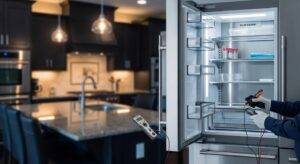
Fix Your Leaking Wine Cooler
A leaking wine cooler can be a frustrating issue for any wine enthusiast. Understanding the causes and solutions is essential to prevent damage to your valuable collection. This article will guide you through the common reasons why your wine cooler may be leaking water and provide expert fixes to address these issues effectively. By addressing leaks promptly, you can maintain the optimal environment for your wine storage. We will explore the causes of leaks, DIY troubleshooting steps, when to call for professional help, maintenance tips to prevent future leaks, and the typical costs associated with wine cooler repairs.
Why Is My Wine Cooler Leaking Water? Common Causes Explained
A wine cooler can leak water for several reasons, and identifying the cause is the first step in resolving the issue. Common causes include a clogged drain line, a faulty door seal, improper leveling, and excessive condensation. Understanding these factors can help you take appropriate action to fix the problem and prevent further damage.
How Does a Clogged Drain Line Cause Wine Cooler Leaks?
A clogged drain line is one of the most frequent causes of water leaks in wine coolers. When the drain line becomes obstructed, water cannot flow out as intended, leading to overflow and leaks. Symptoms of a clogged drain line include water pooling at the bottom of the cooler and unusual condensation buildup. To identify this issue, check for visible blockages in the drain line and ensure that it is clear of debris.
What Role Does a Faulty Door Seal Play in Water Leakage?
A faulty door seal can significantly contribute to water leakage in your wine cooler. When the door seal is damaged or worn, warm air can infiltrate the cooler, causing condensation to form inside. Signs of a faulty door seal include visible cracks, tears, or a loose fit. This infiltration not only leads to leaks but can also affect the temperature stability within the cooler, potentially harming your wine collection.
How Can I Fix a Leaking Wine Cooler Myself? DIY Troubleshooting Steps
If you’re experiencing a leak in your wine cooler, there are several DIY troubleshooting steps you can take before calling a professional. These steps can help you identify and resolve minor issues effectively.
What Are the Steps to Clean and Clear the Drain Line?
Cleaning and clearing the drain line is a crucial step in addressing leaks. Here’s how to do it:
- Unplug the Wine Cooler: Safety first! Always disconnect the appliance before performing any maintenance.
- Locate the Drain Line: Find the drain line, usually located at the back or bottom of the cooler.
- Use a Wet/Dry Vacuum: Attach a wet/dry vacuum to the drain line to remove any blockages.
- Flush with Warm Water: After vacuuming, flush the line with warm water to ensure it is clear.
By following these steps, you can effectively eliminate clogs and prevent future leaks.
How Do I Inspect and Maintain the Door Seal to Prevent Leaks?
Inspecting and maintaining the door seal is essential for preventing leaks. Here’s how to do it:
- Visual Inspection: Check the door seal for any visible damage, such as cracks or tears.
- Test the Seal: Close the door on a piece of paper. If you can easily pull the paper out, the seal may be compromised.
- Clean the Seal: Use a mild soap solution to clean the seal, removing any dirt or debris that may affect its performance.
- Replace if Necessary: If the seal is damaged, consider replacing it to ensure a tight fit.
Regular maintenance of the door seal can help maintain the efficiency of your wine cooler and prevent leaks.
When to Call Sub Zero Repair Newport Beach for Wine Cooler Leak Repair
While many leaks can be resolved through DIY methods, some issues may require professional assistance. Knowing when to call for help is crucial to avoid further damage.
What Complex Issues Require Professional Sub-Zero Wine Cooler Repair?
Complex issues that may require professional repair include refrigerant leaks and compressor problems. Refrigerant leaks can lead to inadequate cooling, while compressor issues can prevent the cooler from functioning altogether. If you notice any unusual noises, fluctuating temperatures, or persistent leaks despite your efforts, it’s time to contact a professional.
What Are the Benefits of Using Licensed Technicians and OEM Parts?
Using licensed technicians and OEM (Original Equipment Manufacturer) parts ensures that your wine cooler is repaired correctly and efficiently. Professionals have the expertise to diagnose complex issues accurately and can provide warranties on their work. Additionally, using OEM parts guarantees compatibility and reliability, which can extend the lifespan of your appliance.
How Can I Prevent Future Leaks in My Wine Cooler? Maintenance Tips
Preventing future leaks in your wine cooler involves regular maintenance and attention to detail. Here are some effective tips to keep your cooler in top condition.
What Regular Cleaning Practices Help Avoid Water Leaks?
Regular cleaning practices can significantly reduce the risk of leaks. Consider the following:
- Clean the Drain Line: Regularly check and clean the drain line to prevent clogs.
- Wipe Down Surfaces: Keep the interior and exterior of the cooler clean to avoid moisture buildup.
- Inspect the Door Seal: Regularly check the door seal for wear and tear, cleaning it as needed.
By incorporating these practices into your routine, you can help prevent leaks and maintain the efficiency of your wine cooler.
How Does Proper Leveling and Placement Affect Leak Prevention?
Proper leveling and placement of your wine cooler are essential for preventing leaks. An unlevel cooler can cause water to pool in areas where it shouldn’t, leading to leaks. Ensure that your wine cooler is placed on a flat, stable surface and adjust the feet if necessary. Additionally, avoid placing the cooler in areas with high humidity or extreme temperature fluctuations, as these conditions can exacerbate leakage issues.
What Are the Typical Costs and Service Options for Wine Cooler Leak Repairs in Newport Beach?
Understanding the costs associated with wine cooler repairs can help you budget for necessary services. Here’s a breakdown of typical costs and service options.
How Are Diagnostic Fees and Repair Costs Structured?
Diagnostic fees for wine cooler repairs typically range from $75 to $150, depending on the service provider. Repair costs can vary widely based on the complexity of the issue, with minor repairs costing around $100 to $300, while more complex repairs may exceed $500. It’s essential to obtain a detailed estimate before proceeding with any repairs.
What Service Guarantees and Warranties Does Sub Zero Repair Offer?
Sub Zero Repair Newport Beach offers service guarantees and warranties on their repairs, ensuring customer satisfaction and peace of mind. Warranties typically cover parts and labor for a specified period, allowing you to trust that your wine cooler is in good hands. Always inquire about warranty terms when scheduling a repair service.
| Service Type | Cost Estimate | Warranty |
|---|---|---|
| Diagnostic Fee | $75 – $150 | N/A |
| Minor Repairs | $100 – $300 | 30 days |
| Major Repairs | $300 – $500+ | 90 days |
Frequently Asked Questions
What should I do if my wine cooler is leaking but I can’t identify the cause?
If you’re unable to pinpoint the cause of the leak in your wine cooler, start by checking the most common issues such as the drain line, door seal, and leveling. If these areas appear fine, consider monitoring the cooler for a few days to see if the leak persists. If it does, it may be time to consult a professional technician who can conduct a thorough inspection and diagnose any underlying problems that may not be immediately visible.
Can I use any type of vacuum to clear the drain line?
While you can use a regular vacuum to clean the area around the drain line, a wet/dry vacuum is recommended for effectively clearing clogs. This type of vacuum is designed to handle both liquid and solid debris, making it ideal for removing blockages in the drain line. Ensure that the vacuum is properly attached to the drain line to maximize suction and efficiency during the cleaning process.
How often should I perform maintenance on my wine cooler?
Regular maintenance of your wine cooler is essential for optimal performance and leak prevention. It is advisable to inspect and clean the unit at least every three to six months. This includes checking the drain line, cleaning the door seal, and wiping down surfaces. Additionally, seasonal checks can help address any issues that may arise due to changes in temperature and humidity, ensuring your wine cooler remains in top condition.
What signs indicate that I need to replace my wine cooler?
Several signs may indicate that it’s time to replace your wine cooler. If you notice persistent leaks despite repairs, significant temperature fluctuations, or unusual noises from the compressor, these could be indicators of serious issues. Additionally, if the cooler is over 10 years old and requires frequent repairs, investing in a new unit may be more cost-effective in the long run, ensuring better performance and energy efficiency.
Are there specific brands known for better reliability in wine coolers?
Yes, certain brands are recognized for their reliability and quality in wine coolers. Brands like Sub-Zero, Vinotemp, and EdgeStar are often praised for their durability, performance, and customer service. When selecting a wine cooler, consider factors such as warranty, customer reviews, and energy efficiency ratings. Investing in a reputable brand can lead to fewer maintenance issues and a longer lifespan for your appliance.
What should I do if my wine cooler is still under warranty and needs repairs?
If your wine cooler is still under warranty and requires repairs, first check the warranty terms to understand what is covered. Contact the manufacturer or the retailer where you purchased the cooler to initiate a service request. They may provide instructions for repairs or direct you to an authorized service technician. Ensure you have your purchase receipt and warranty information handy to facilitate the process.